






Developmental Disabilities – Attention

Instructor
About This Course
This course examines the concept of attention from both linguistic and psychological perspectives, introducing its main characteristics, levels, and types. Participants will explore different forms of attention, including voluntary attention and involuntary attention, as well as active attention and passive attention. The course also highlights the developmental nature of attention, explaining the natural variation in attention levels across stages of childhood and why shorter attention spans are often considered a typical developmental characteristic among young learners.
Participants will learn to identify common indicators of attention difficulties, such as easy distractibility, frequent careless mistakes, difficulty completing tasks, and lower academic achievement. The course presents clear criteria for recognizing attention difficulties, emphasizing the importance of examining the persistence of symptoms and comparing the learner’s performance with that of peers of the same age within a developmental framework.
The course also reviews the various factors that influence attention, including physical factors (such as fatigue and sleep), psychological factors (such as interest and motivation), cognitive factors (such as teaching methods), and social factors (such as the family environment). In addition, the course explores the influence of biological rhythms on alertness, readiness, and attentional functioning.
The course concludes with a set of educational strategies designed to support and improve attention. These include organizing the learning environment, adjusting the duration of activities, incorporating scheduled breaks, breaking tasks into smaller steps, varying instructional methods, using clear cues and signals, and reducing unnecessary environmental distractions. The course emphasizes the practical application of these strategies to enhance learning efficiency and improve academic outcomes for learners with developmental difficulties.
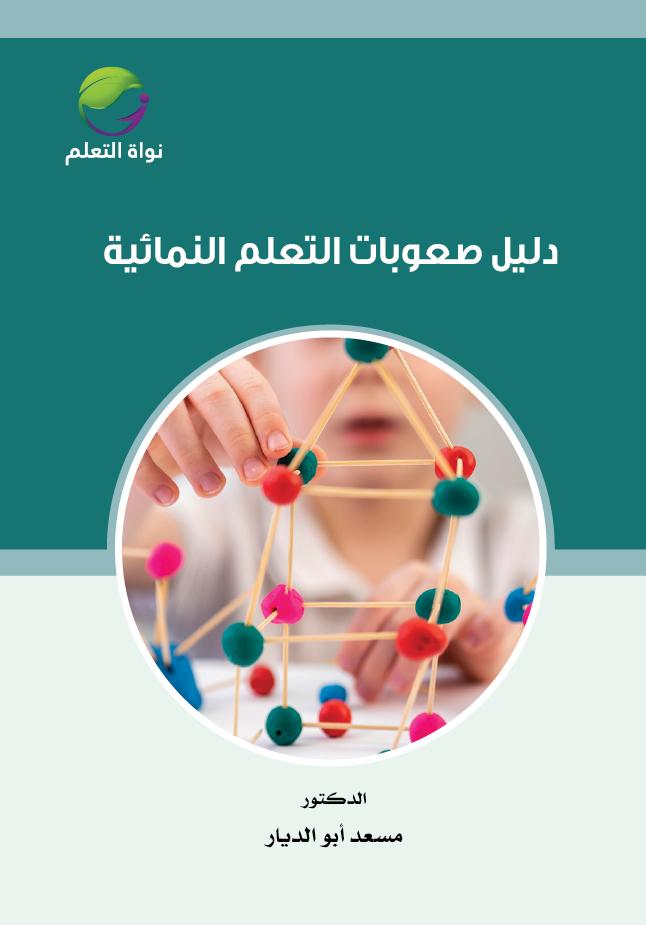
Prof. Mosaad Abu Eldiyar
Curriculum Overview
This course contains interactive learning materials including video lectures, study PDFs, online practice, and exams.
Attendance Certificate


This Course Includes

Access Restricted
To access this content, you need to enroll in the course first.

Additional links
Login Register Contact Us Instructors About Us Terms and Policies Certificate Validation Nawat Conferences Nawat Learning Get the app Bespoke TrainingPopular Categories
Learning Disabilities Dyslexia Dyscalculia Dysgraphia Developmental Disabilities ADHD Dyspraxia Inclusion Educational & Psychological AssessmentContact
Access Your Courses on the Go
Available on iOS and Android














Save on Your Next Course!
We have exclusive discount codes waiting for you. Explore our courses and enjoy a special price today.
Explore Courses
Reply to Comment