






Dyslexia – Educational Intervention
Instructor
Videos
5 Videos • 0:39
Access Denied!
This video follows the course access level.
Access Denied!
This video follows the course access level.
Access Denied!
This video follows the course access level.
Access Denied!
This video follows the course access level.
Course Specifications
About This Course
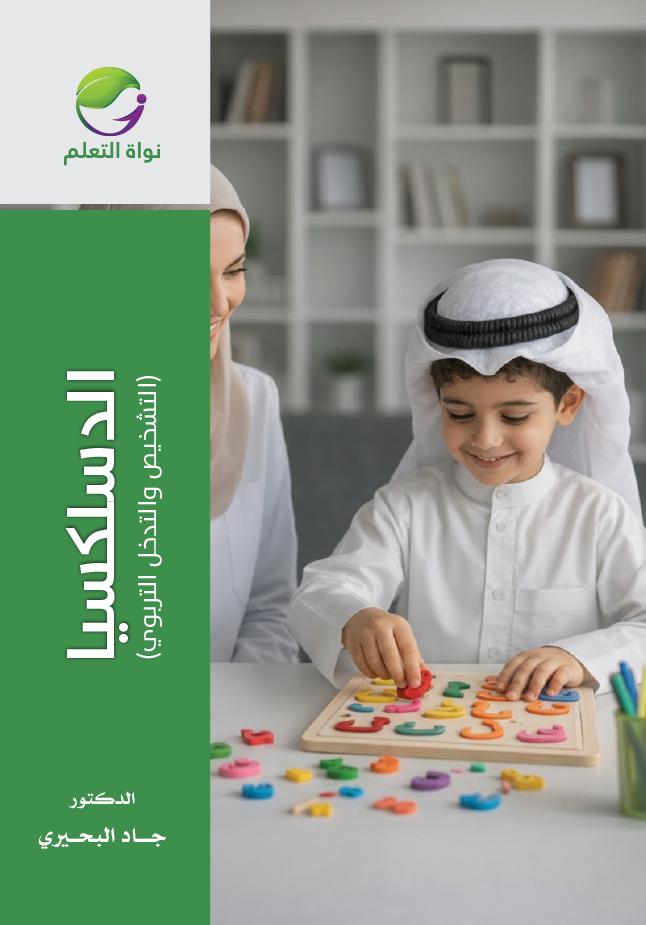
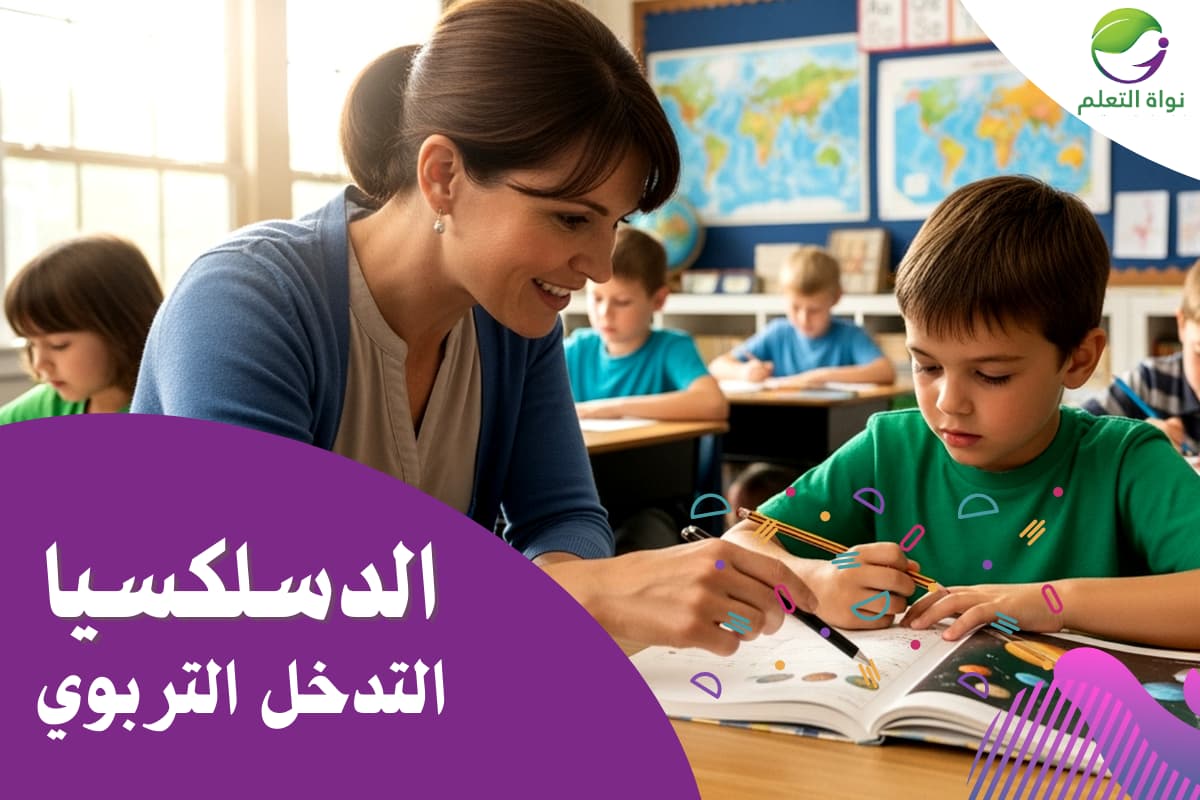
This course examines dyslexia as a developmental learning difficulty that emerges from the interaction of cognitive, linguistic, emotional, and environmental factors. The course highlights that the effects of dyslexia extend beyond reading and may influence multiple aspects of learning, including organization, memory, motivation, and classroom performance.
The course encourages participants to move beyond the traditional view of dyslexia as merely a reading difficulty and toward a holistic educational perspective that recognizes the diverse manifestations of dyslexia and its broader impact on the learning experience within school settings.
During the course, participants will explore:
• The general principles of effective educational intervention for students with dyslexia
• The role of the Individualized Education Plan (IEP) in supporting learning within the school environment
• The importance of identifying a learner’s strengths and weaknesses and using strengths as a foundation for intervention
• Teaching strategies suitable for different academic subjects such as languages, science, history, and geography
• Practical approaches to supporting reading, spelling, writing, assessment, and homework
• Multisensory instruction, differentiated instruction, and the Response to Intervention (RTI) model
• The influence of emotional, motivational, and environmental factors on the learning process
• Key theoretical foundations related to phonological, morphological, and cognitive processing
• The central role of the teacher in creating a supportive and inclusive classroom environment for students with dyslexia
The course emphasizes that there is no single method or universal solution for addressing dyslexia. Successful intervention requires approaches that are flexible, individualized, and multi-method, based on a clear understanding of the learner’s profile and the learning context within the classroom.
By the end of the course, participants will be able to:
• Understand dyslexia from an integrated educational and psychological perspective
• Apply practical classroom strategies to support students with dyslexia
• Adapt teaching and assessment methods to reduce barriers to learning
• Promote self-confidence, motivation, and academic participation among students
This course is designed for teachers, learning support specialists, school leaders, and related professionals who wish to develop inclusive educational practices and improve learning outcomes for students with dyslexia in mainstream classrooms.
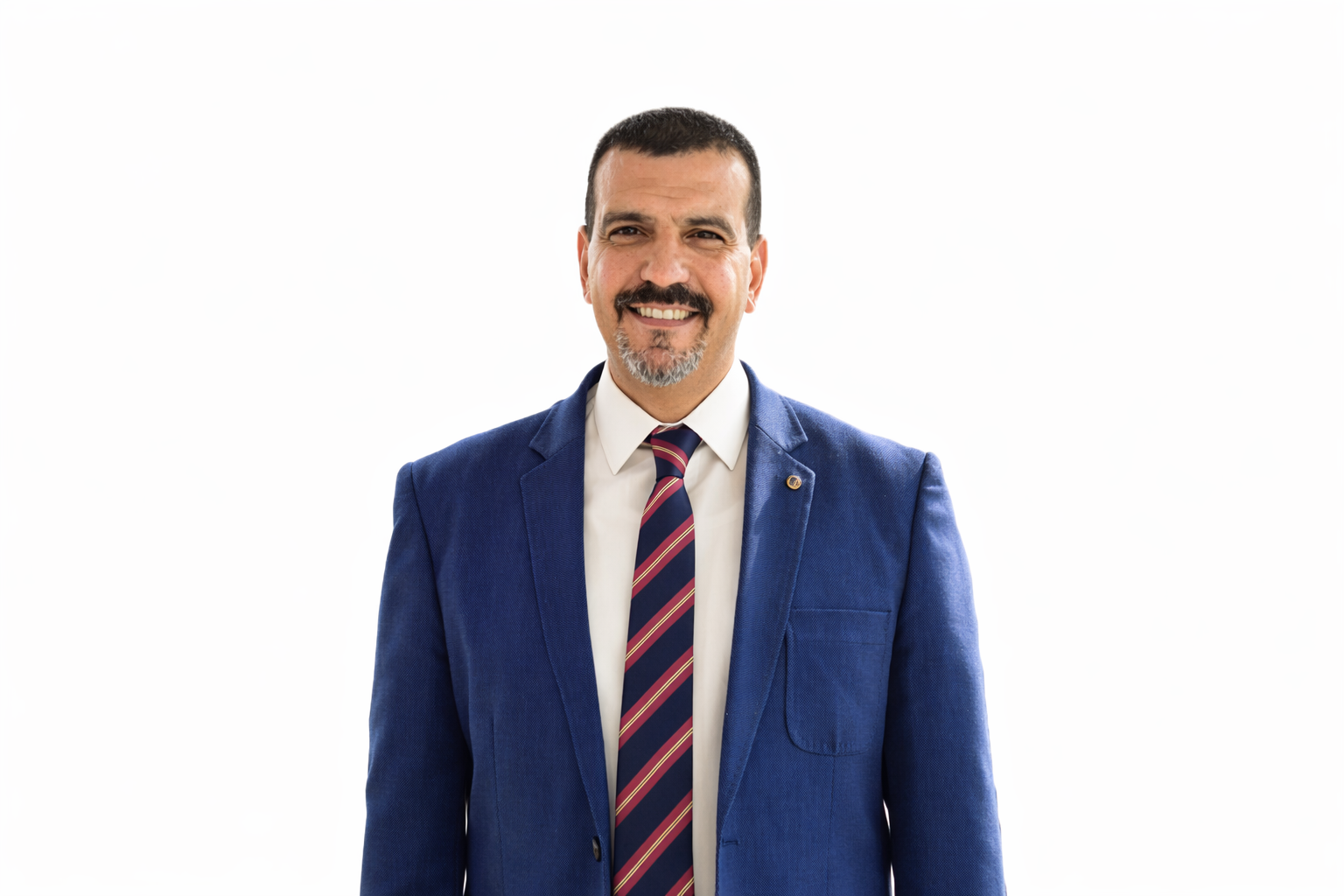
Dr. Gad Elbeheri
Curriculum Overview
This course contains interactive learning materials including video lectures, study PDFs, online practice, and exams.
Attendance Certificate


This Course Includes
Access Restricted
To access this content, you need to enroll in the course first.

Additional links
Login Register Contact Us Instructors About Us Terms and Policies Certificate Validation Nawat Conferences Nawat Learning Get the app Bespoke TrainingPopular Categories
Learning Disabilities Dyslexia Dyscalculia Dysgraphia Developmental Disabilities ADHD Dyspraxia Inclusion Educational & Psychological AssessmentContact
Access Your Courses on the Go
Available on iOS and Android











Save on Your Next Course!
We have exclusive discount codes waiting for you. Explore our courses and enjoy a special price today.
Explore Courses
Reply to Comment