





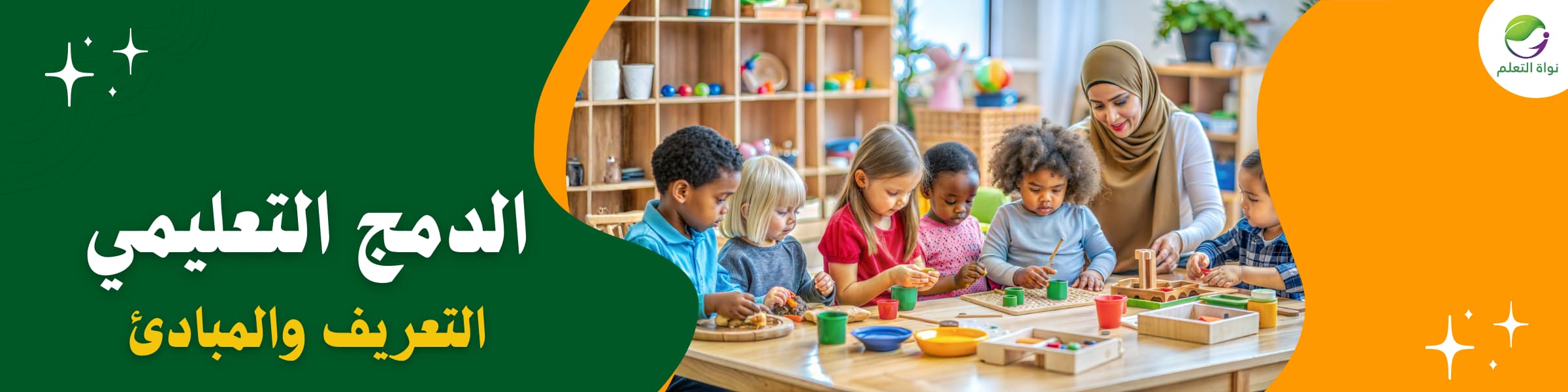
Educational Inclusion – Definition and Core Principles
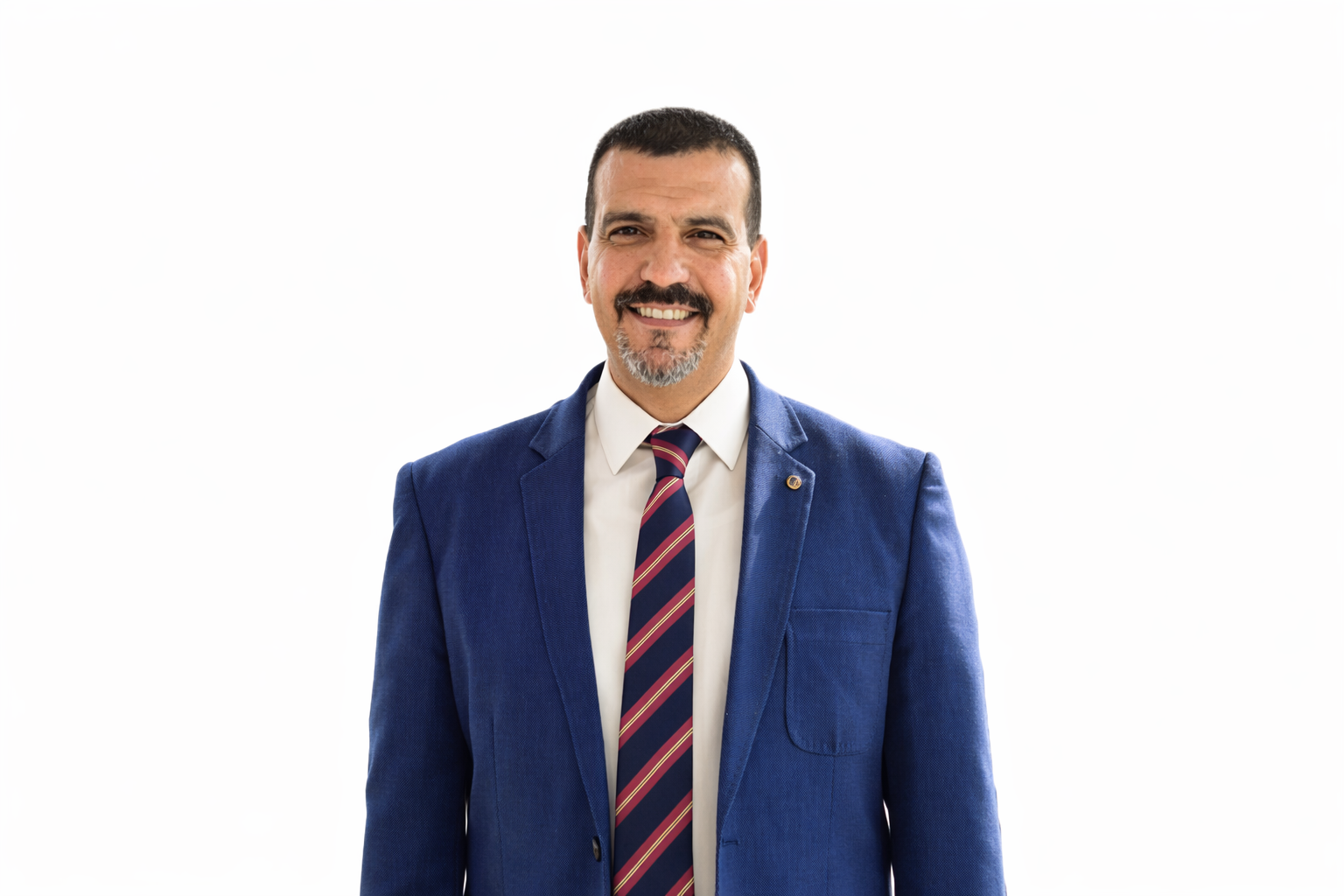
Instructor
Videos
3 Videos • 0:29
Access Denied!
This video follows the course access level.
Access Denied!
This video follows the course access level.
Course Specifications
About This Course
The course emphasizes that education is a fundamental human right and a long-term investment in human, social, and economic development. It highlights how poverty, disability, and exclusion intersect to create persistent barriers to educational access and participation, and positions inclusive education as a strategic response to these challenges.
Participants examine the philosophical, educational, legislative, and social foundations of inclusive education. The course traces key transformations in special education, including the shift from segregation to inclusion, the focus on learners’ strengths rather than deficits, and the development of more humane and responsive educational practices. Legislative frameworks supporting the right to education in the least restrictive environment are also discussed as essential drivers of inclusive schooling.
The course clarifies the concept of inclusive education as a model in which schools adapt to learners, rather than requiring learners to adapt to rigid systems. Different patterns of inclusion, including full and partial inclusion, are explored, with emphasis placed on meaningful participation and quality of engagement rather than physical placement alone.
Participants are introduced to the concept of special educational needs as a guiding framework for providing appropriate support, rather than a fixed label. The course highlights how learning outcomes are shaped through the interaction between learner characteristics and educational environments, and how inclusive practices benefit not only learners with special educational needs, but entire school communities.
Throughout the course, attention is given to the role of teachers, schools, families, and educational systems in supporting effective inclusion. The importance of professional collaboration, school readiness, flexible practices, and supportive school cultures is emphasized. Inclusive education is presented as a long-term commitment that promotes equity, participation, social cohesion, and sustainable development.
By the end of the course, participants gain a clear conceptual understanding of inclusive education as a rights-based, ethical, and developmental approach that seeks to ensure equitable learning opportunities and meaningful participation for all learners.
Dr. Gad Elbeheri
Curriculum Overview
This course contains interactive learning materials including video lectures, study PDFs, online practice, and exams.
Attendance Certificate

This Course Includes

Access Restricted
To access this content, you need to enroll in the course first.

Additional links
Login Register Contact Us Instructors About Us Terms and Policies Certificate Validation Nawat Conferences Nawat Learning Get the app Bespoke TrainingPopular Categories
Learning Disabilities Dyslexia Dyscalculia Dysgraphia Developmental Disabilities ADHD Dyspraxia Inclusion Educational & Psychological AssessmentContact
Access Your Courses on the Go
Available on iOS and Android












Save on Your Next Course!
We have exclusive discount codes waiting for you. Explore our courses and enjoy a special price today.
Explore Courses
Reply to Comment