





Assessment, Diagnosis, and Measurement
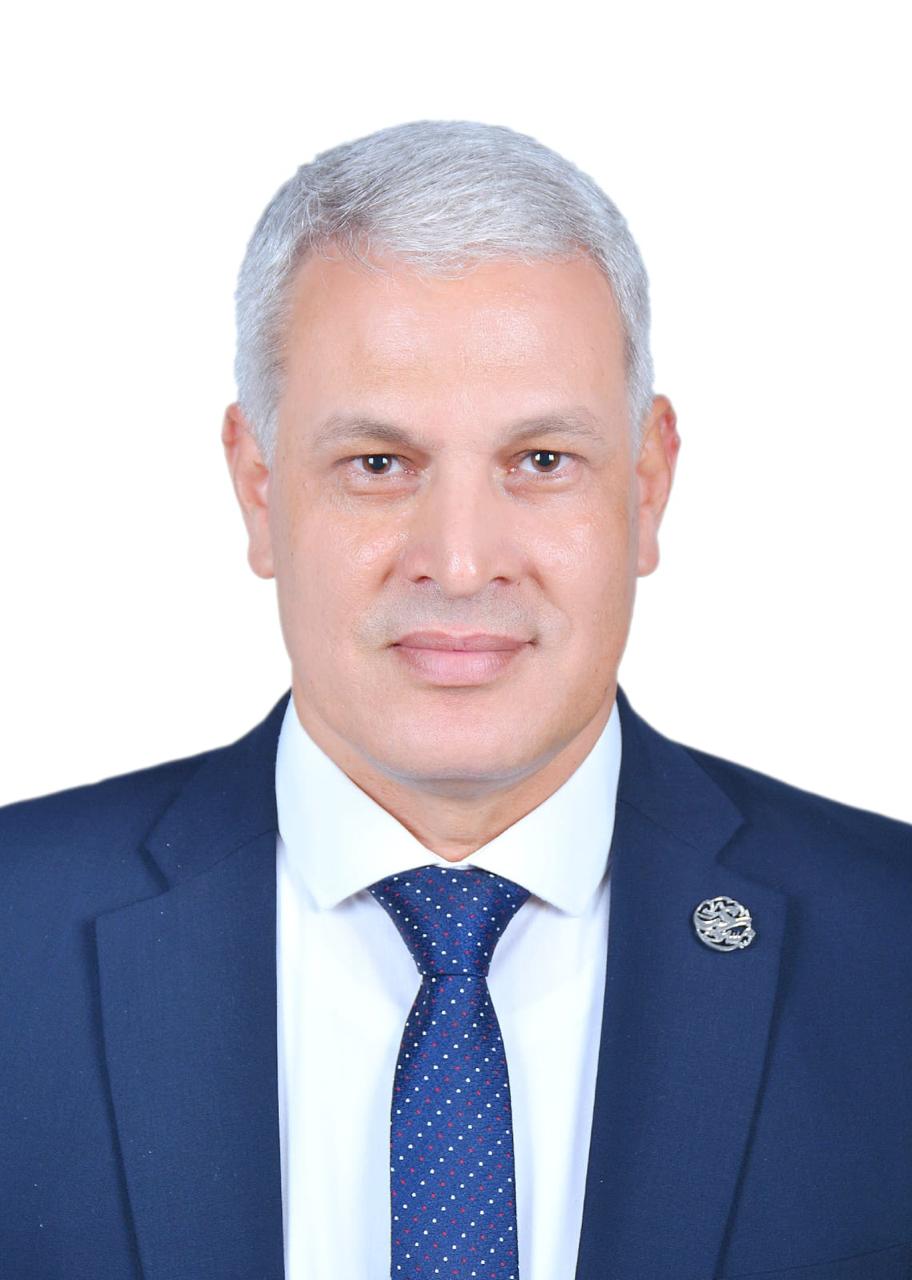
Instructor
About This Course
Participants explore the central role of measurement and diagnosis in educational decision-making, instructional planning, curriculum evaluation, and the identification of students’ strengths and needs. The course clarifies core concepts and distinctions among measurement, assessment, evaluation, and diagnosis, emphasizing their complementary roles in guiding effective teaching and learning practices.
The course examines the objectives of measurement and diagnosis, particularly in relation to students with learning difficulties, including classification, placement, planning individualized educational programs, and evaluating intervention effectiveness. It introduces major types and classifications of psychological and educational tests, covering intelligence, achievement, abilities, personality, interests, and mental health measures.
Special attention is given to the nature and characteristics of educational and psychological measurement, including its quantitative yet indirect nature, reliance on norms, susceptibility to error, and interpretive limitations. Participants study levels of measurement (nominal, ordinal, interval, and ratio) and their implications for data interpretation and statistical analysis.
The course also addresses sources of measurement error—random and systematic—and discusses strategies to minimize their impact through proper test construction, administration, and interpretation. Furthermore, it highlights professional standards and competencies required of educators in assessment and evaluation, as well as the role of measurement and evaluation in quality assurance, accountability, and educational improvement.
Overall, the course equips educators, psychologists, and practitioners with a solid conceptual foundation for understanding and responsibly applying measurement, assessment, evaluation, and diagnosis to enhance educational quality, support learner development, and inform sound educational decision-making.
Prof. Mosaad Abu Eldiyar
Curriculum Overview
This course contains interactive learning materials including video lectures, study PDFs, online practice, and exams.
Attendance Certificate



This Course Includes
Access Restricted
To access this content, you need to enroll in the course first.

Additional links
Login Register Contact Us Instructors About Us Terms and Policies Certificate Validation Nawat Conferences Nawat Learning Get the app Bespoke TrainingPopular Categories
Learning Disabilities Dyslexia Dyscalculia Dysgraphia Developmental Disabilities ADHD Dyspraxia Inclusion Educational & Psychological AssessmentContact
Access Your Courses on the Go
Available on iOS and Android










Save on Your Next Course!
We have exclusive discount codes waiting for you. Explore our courses and enjoy a special price today.
Explore Courses
Reply to Comment