





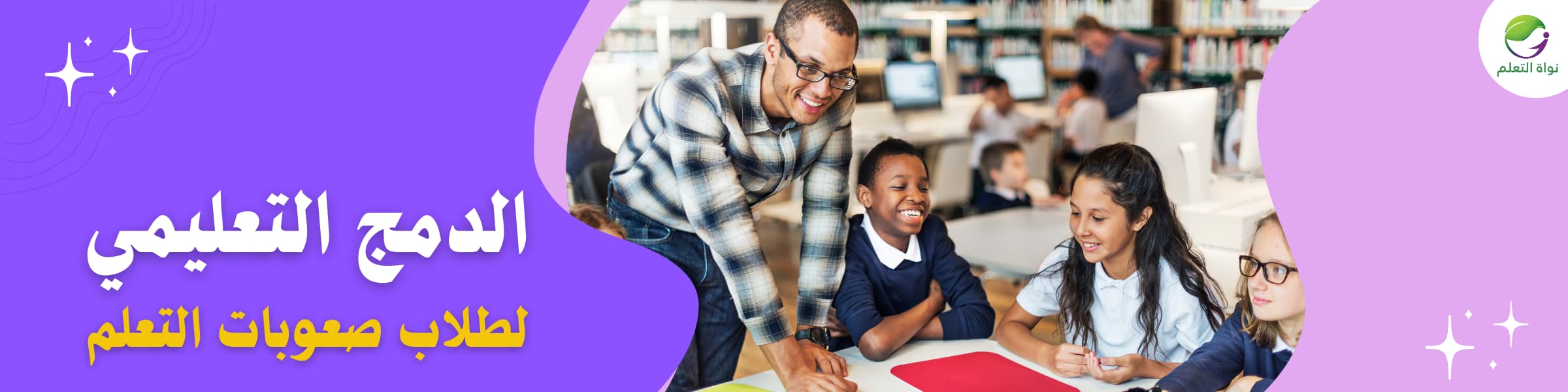
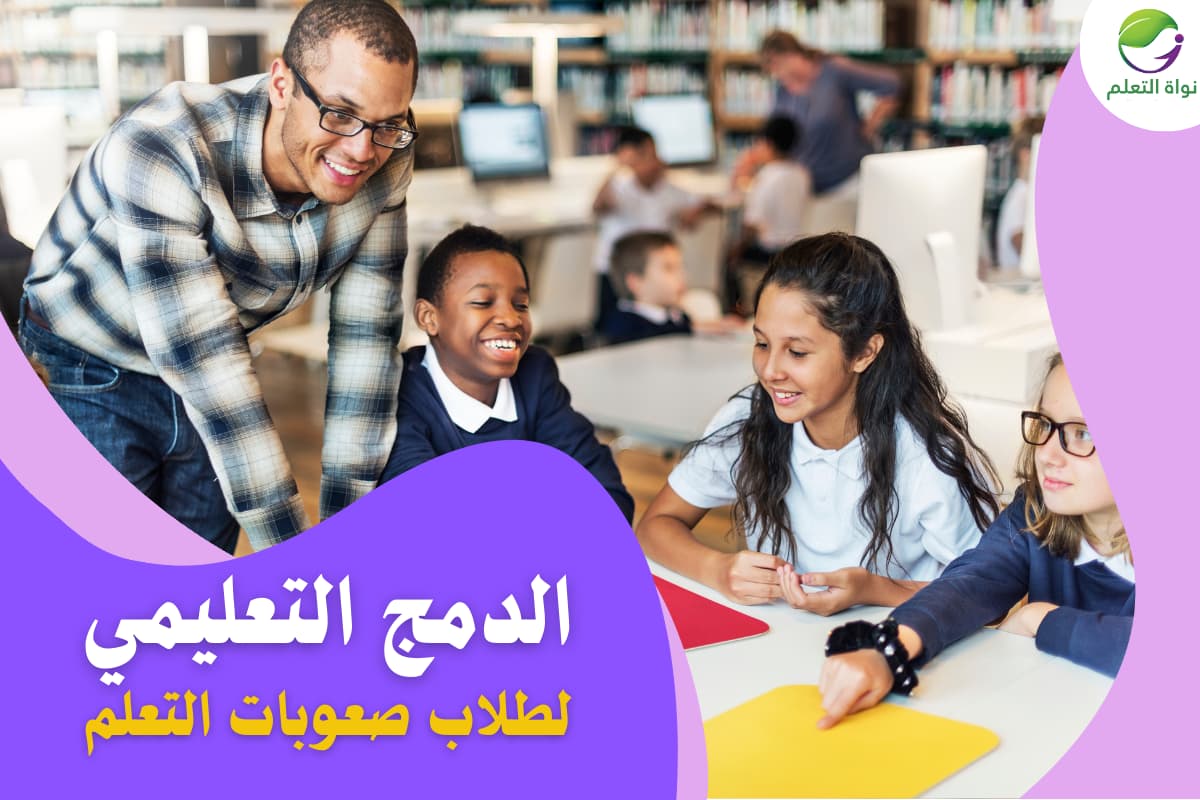
Educational Inclusion for Students with Learning Disabilities
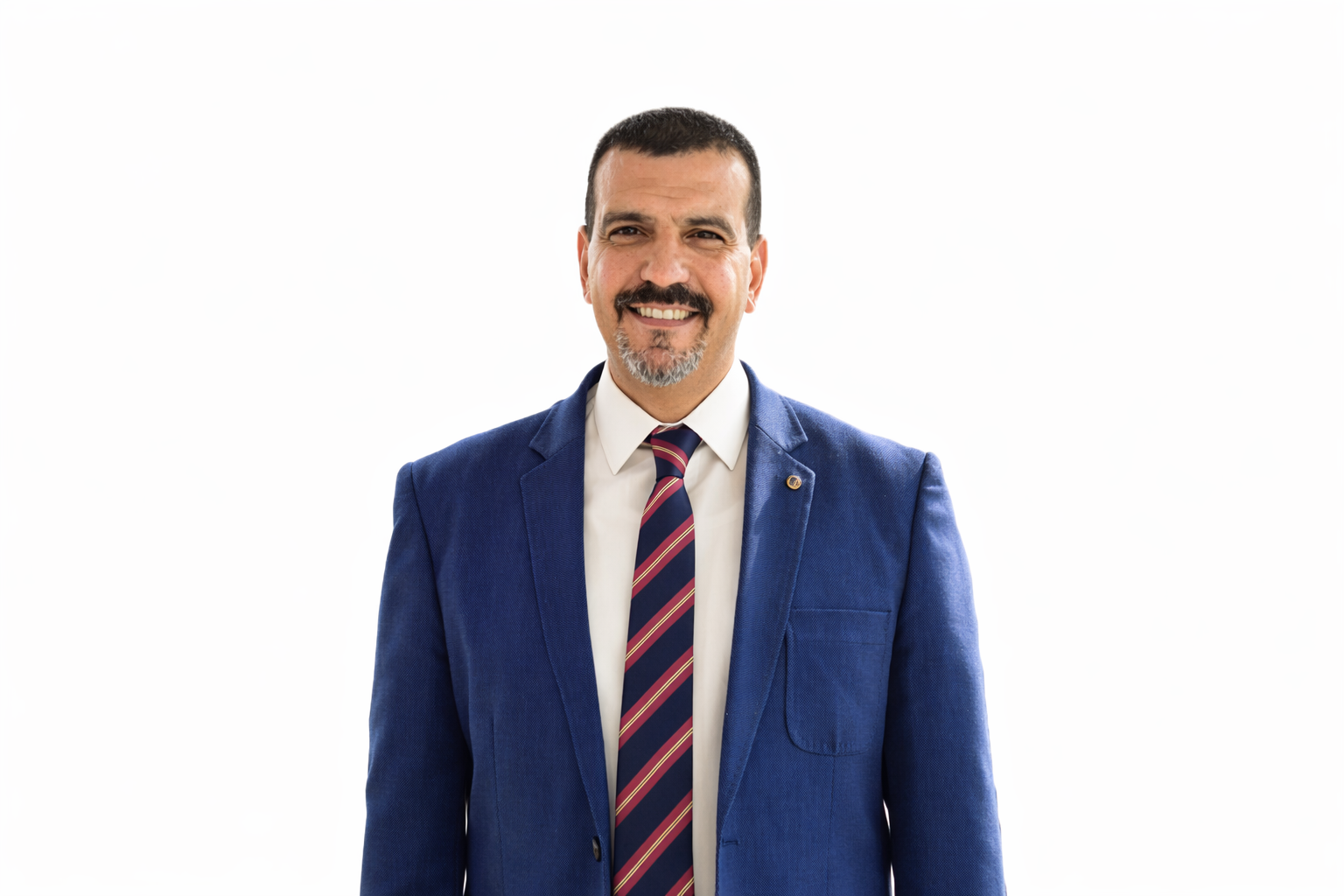
Instructor
Videos
8 Videos • 0:36
Access Denied!
This video follows the course access level.
Access Denied!
This video follows the course access level.
Access Denied!
This video follows the course access level.
Access Denied!
This video follows the course access level.
Access Denied!
This video follows the course access level.
Access Denied!
This video follows the course access level.
Access Denied!
This video follows the course access level.
Course Specifications
About This Course
This course examines the concept and philosophy of educational inclusion, highlighting the key distinctions between inclusion, mainstreaming, and segregation. It emphasizes that inclusion is an ongoing educational process grounded in the principles of human rights, educational equity, and respect for individual differences among learners.
The course focuses particularly on students with learning difficulties, who represent one of the largest groups within special education and are among the most suitable candidates for inclusive education. Participants will explore the characteristics of this group and examine how learning difficulties may affect academic performance. The course highlights the importance of learning alongside peers in general education classrooms, supported by differentiated instruction, curriculum adaptations, and flexible assessment practices.
Participants will also explore different models and forms of educational inclusion, including full inclusion and partial inclusion, and will examine the role of the resource room as a supportive service rather than a substitute for participation in the general classroom. The course emphasizes the principle of the least restrictive environment, focusing on meaningful participation and quality educational interaction rather than mere physical placement.
In addition, the course examines the key factors that contribute to the success of inclusive education. These include teacher preparation, school readiness, the role of school leadership, collaboration between teachers and support services, and the active involvement of families as essential partners in the educational process. The course also highlights the importance of building an inclusive school culture characterized by acceptance, collaboration, and continuous professional development.
In conclusion, the course emphasizes that educational inclusion is not simply an optional practice but an educational and ethical commitment that supports the academic development, social integration, psychological well-being, and long-term educational success of students with learning difficulties. Participants are encouraged to apply the concepts and principles learned in the course to promote effective inclusive practices within their own educational environments.
Dr. Gad Elbeheri
Curriculum Overview
This course contains interactive learning materials including video lectures, study PDFs, online practice, and exams.
Attendance Certificate
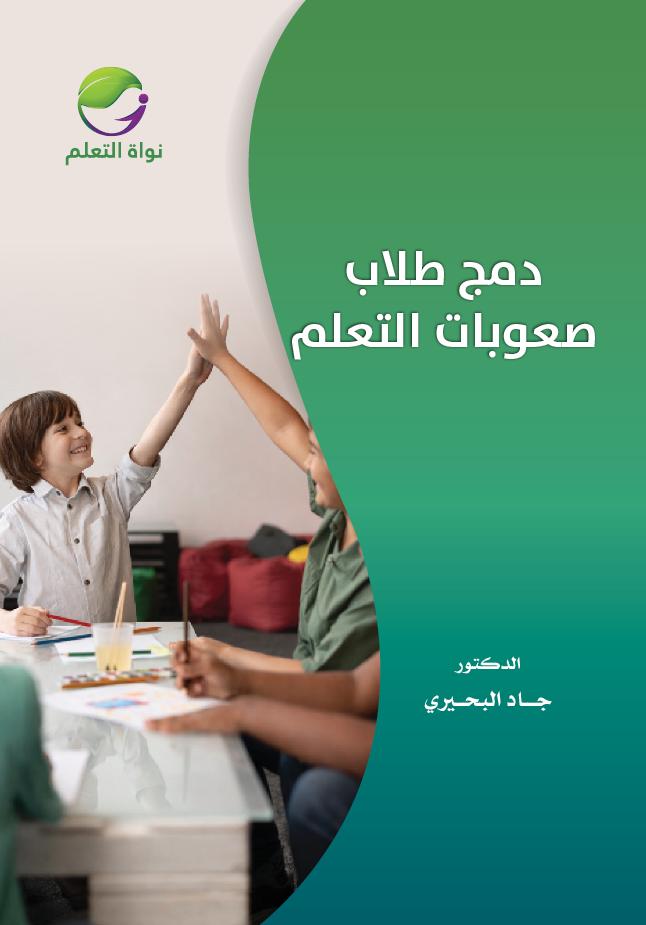

This Course Includes
Access Restricted
To access this content, you need to enroll in the course first.

Additional links
Login Register Contact Us Instructors About Us Terms and Policies Certificate Validation Nawat Conferences Nawat Learning Get the app Bespoke TrainingPopular Categories
Learning Disabilities Dyslexia Dyscalculia Dysgraphia Developmental Disabilities ADHD Dyspraxia Inclusion Educational & Psychological AssessmentContact
Access Your Courses on the Go
Available on iOS and Android











Save on Your Next Course!
We have exclusive discount codes waiting for you. Explore our courses and enjoy a special price today.
Explore Courses
Reply to Comment