






Dysgraphia – Definition and Clinical Features

Instructor
Videos
4 Videos • 0:31
Access Denied!
This video follows the course access level.
Access Denied!
This video follows the course access level.
Access Denied!
This video follows the course access level.
Course Specifications
About This Course
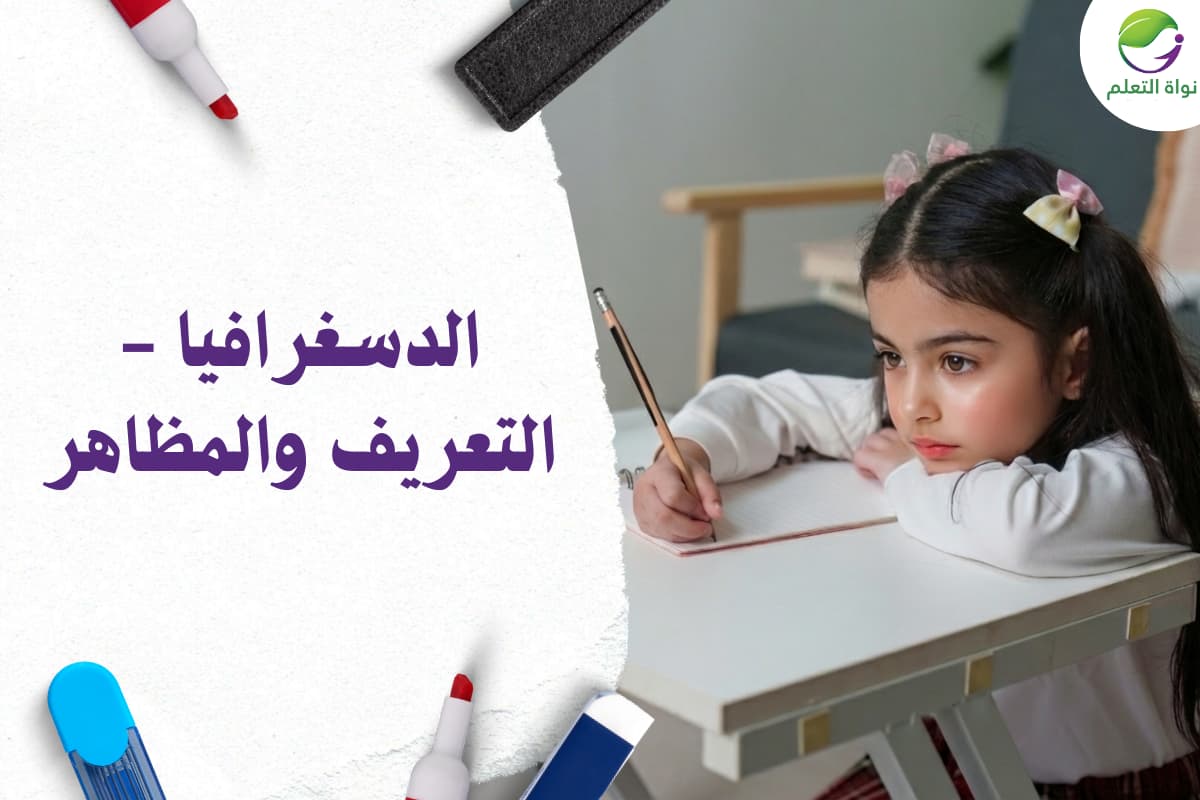
Participants learn that dysgraphia is not related to intelligence or effort but rather reflects persistent difficulties in the processes required to produce written work. The course highlights the key characteristics of dysgraphia, including illegible handwriting, inconsistent letter size and shape, poor alignment with lines, irregular spacing, and inefficient pencil pressure. These features help explain why learners with dysgraphia often write slowly, experience rapid fatigue, and struggle to complete written tasks within expected time limits.
The course also emphasizes the academic impact of dysgraphia, particularly in written assignments and examinations, where learners may be unable to demonstrate their true level of understanding. In addition, participants explore the emotional and behavioural effects associated with writing difficulties, such as frustration, reduced self-confidence, anxiety, and avoidance of writing tasks.
A key focus of the course is distinguishing dysgraphia from writing difficulties caused by insufficient practice or instruction. Participants are guided to recognize the persistent and patterned nature of dysgraphia and the importance of observing writing behaviours over time. The course underscores the value of early identification, highlighting its role in reducing academic difficulties, preventing repeated experiences of failure, and supporting learners’ emotional well-being.
Overall, this course aims to build informed awareness of dysgraphia within educational contexts, enabling participants to interpret written performance accurately and to understand the challenges faced by learners with writing difficulties in a professional and empathetic manner.
Dr. Omar Hassan
Curriculum Overview
This course contains interactive learning materials including video lectures, study PDFs, online practice, and exams.
Attendance Certificate


This Course Includes

Access Restricted
To access this content, you need to enroll in the course first.

Additional links
Login Register Contact Us Instructors About Us Terms and Policies Certificate Validation Nawat Conferences Nawat Learning Get the app Bespoke TrainingPopular Categories
Learning Disabilities Dyslexia Dyscalculia Dysgraphia Developmental Disabilities ADHD Dyspraxia Inclusion Educational & Psychological AssessmentContact
Access Your Courses on the Go
Available on iOS and Android













Save on Your Next Course!
We have exclusive discount codes waiting for you. Explore our courses and enjoy a special price today.
Explore Courses
Reply to Comment