





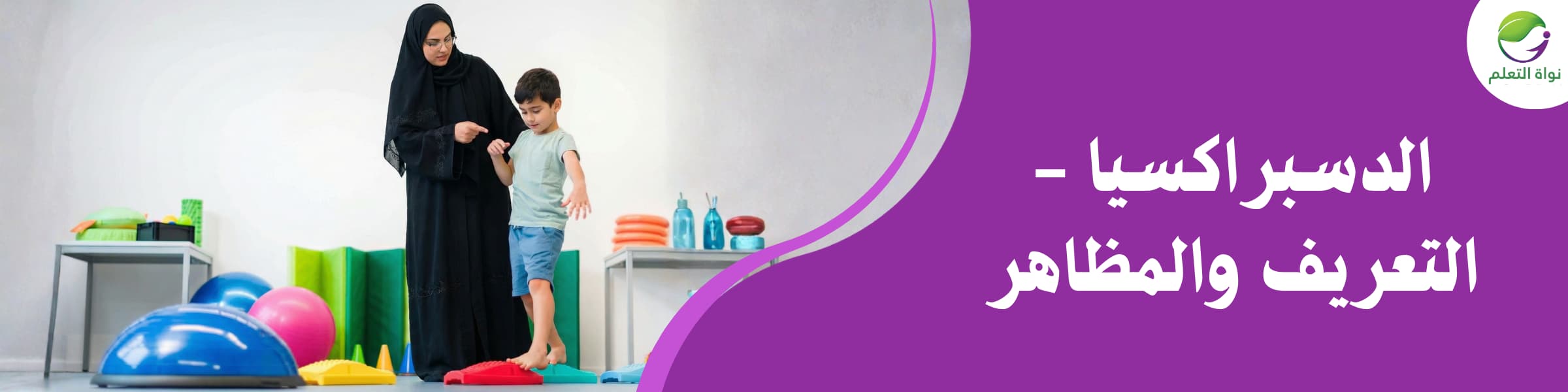
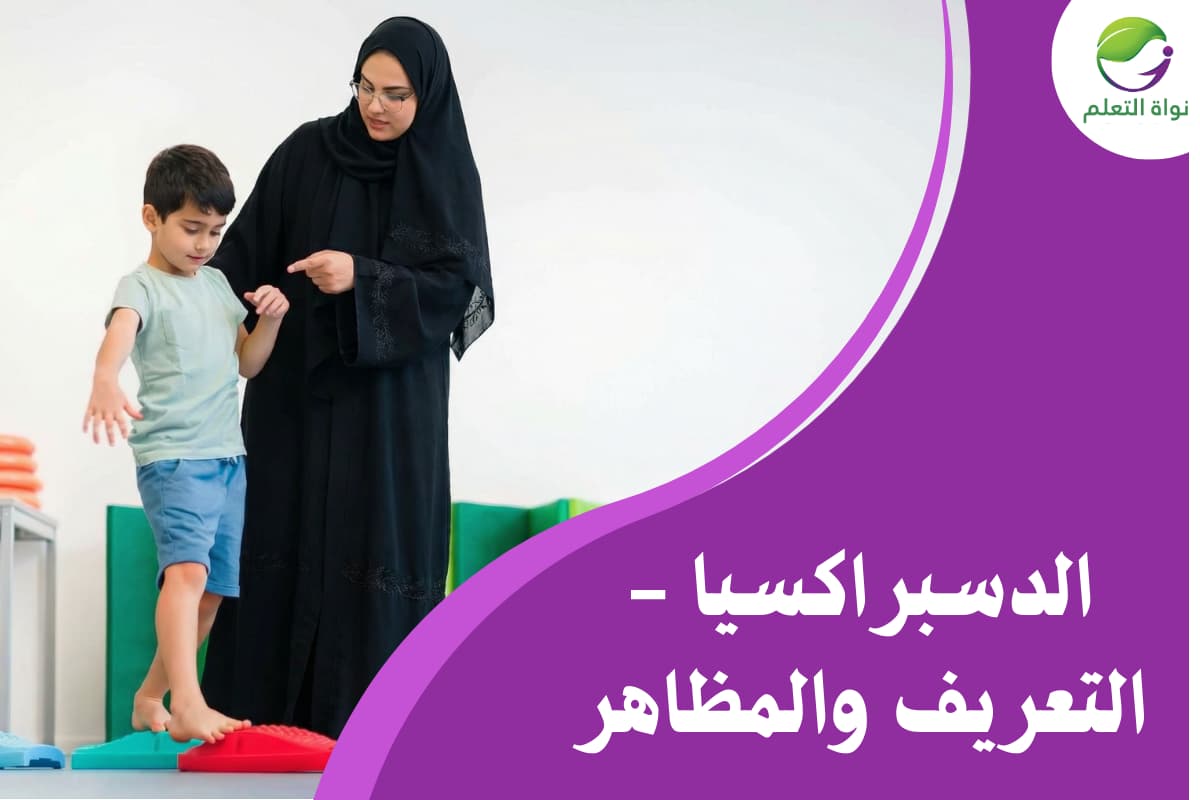
Dyspraxia – Definition and Clinical Features

Instructor
Videos
5 Videos • 0:30
Access Denied!
This video follows the course access level.
Access Denied!
This video follows the course access level.
Access Denied!
This video follows the course access level.
Access Denied!
This video follows the course access level.
Course Specifications
About This Course
Throughout the course, participants explored the concept of motor skills, including gross motor skills, fine motor skills, and sensory-motor integration, and their essential role in learning and functional performance. The course highlighted how challenges in these areas may result in difficulties with handwriting, classroom tasks, physical education, and self-care activities.
The course presented the DSM-IV diagnostic framework for developmental dyspraxia, outlining the diagnostic criteria and emphasizing the importance of exclusion criteria and diagnostic caution. Participants were introduced to disorders commonly associated with developmental dyspraxia, including phonological and language-related difficulties.
Attention was given to the developmental, behavioural, cognitive, and psychological characteristics associated with developmental dyspraxia, as well as the persistence of symptoms from childhood into adulthood. The course addressed the social and emotional impact of repeated motor difficulties, including frustration, anxiety, and challenges related to social belonging.
Participants also examined assessment approaches, including motor skill evaluation and the importance of comprehensive diagnosis that considers cognitive evaluation and developmental history. The course emphasized that, although there is no specific cure for developmental dyspraxia, early intervention and ongoing support play a critical role in improving functional outcomes.
Finally, the course highlighted the roles of teachers and families in supporting learners with developmental dyspraxia through appropriate educational strategies, structured environments, clear instructions, sufficient time, and the use of learners’ stronger sensory channels. Participants are encouraged to apply the course concepts to support inclusive and effective educational practices.
Dr. Omar Hassan
Curriculum Overview
This course contains interactive learning materials including video lectures, study PDFs, online practice, and exams.
Attendance Certificate

This Course Includes
Access Restricted
To access this content, you need to enroll in the course first.

Additional links
Login Register Contact Us Instructors About Us Terms and Policies Certificate Validation Nawat Conferences Nawat Learning Get the app Bespoke TrainingPopular Categories
Learning Disabilities Dyslexia Dyscalculia Dysgraphia Developmental Disabilities ADHD Dyspraxia Inclusion Educational & Psychological AssessmentContact
Access Your Courses on the Go
Available on iOS and Android













Reply to Comment