






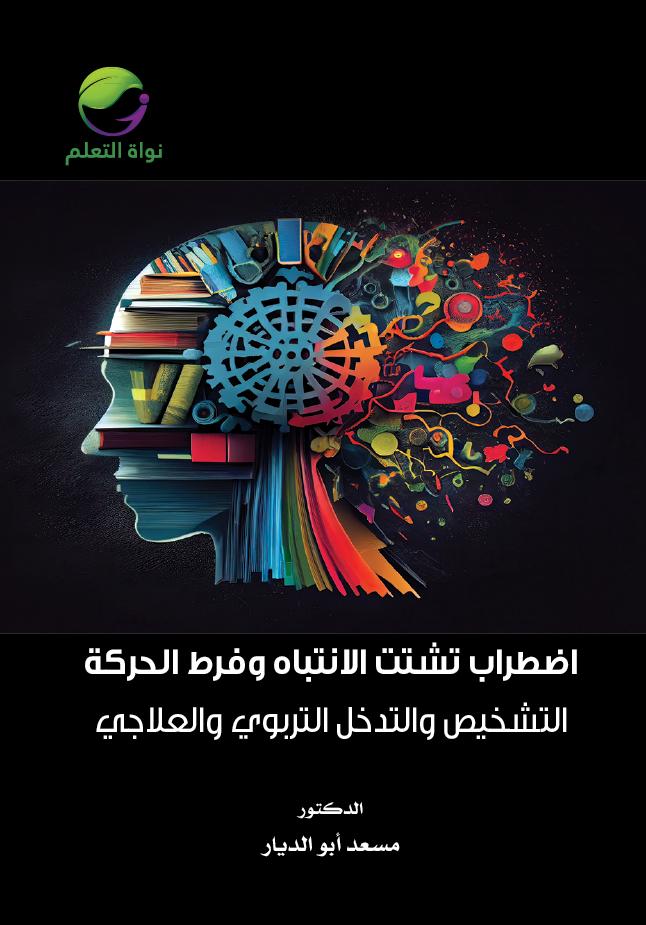
Attention-Deficit/Hyperactivity Disorder (ADHD) – Diagnosis

Instructor
About This Course
Participants explore the core and associated symptoms of ADHD, including inattention, hyperactivity, and impulsivity, and how these symptoms may vary in presentation and severity across different developmental stages. The course highlights the need to consider symptom duration, functional impact, and comparison with same-age peers when making diagnostic judgments.
The course outlines the importance of a multimodal and multidisciplinary assessment approach, integrating information from parents, teachers, clinical interviews, behavioural observations, rating scales, medical and neurological examinations, and performance-based measures. Particular attention is given to the role of exclusion criteria and the necessity of ruling out medical, sensory, and other developmental conditions that may mimic ADHD symptoms.
Participants gain insight into diagnostic frameworks, including the use of DSM criteria, age-of-onset requirements, and ethical considerations in professional practice. The course underscores the risks of misdiagnosis and the responsibility of clinicians to apply rigorous, developmentally informed, and ethically sound diagnostic procedures.
By the end of the course, participants will have a clear understanding of how accurate and comprehensive diagnosis forms the foundation for effective intervention planning, support provision, and long-term management of individuals with ADHD across the lifespan.
Prof. Mosaad Abu Eldiyar
Curriculum Overview
This course contains interactive learning materials including video lectures, study PDFs, online practice, and exams.
Attendance Certificate


This Course Includes

Access Restricted
To access this content, you need to enroll in the course first.

Additional links
Login Register Contact Us Instructors About Us Terms and Policies Certificate Validation Nawat Conferences Nawat Learning Get the app Bespoke TrainingPopular Categories
Learning Disabilities Dyslexia Dyscalculia Dysgraphia Developmental Disabilities ADHD Dyspraxia Inclusion Educational & Psychological AssessmentContact
Access Your Courses on the Go
Available on iOS and Android














Save on Your Next Course!
We have exclusive discount codes waiting for you. Explore our courses and enjoy a special price today.
Explore Courses
Reply to Comment