






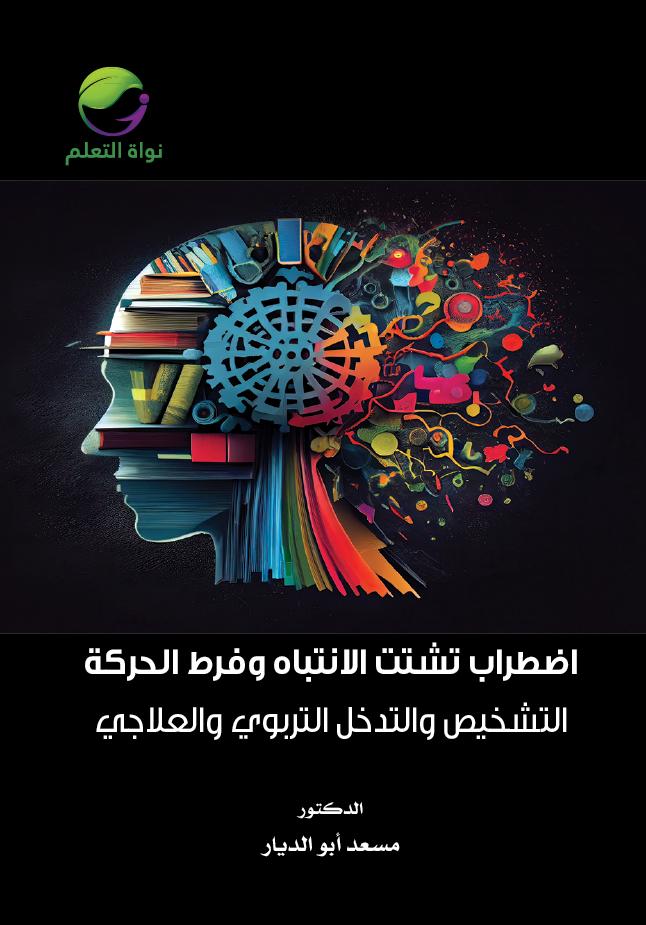
Attention-Deficit/Hyperactivity Disorder (ADHD) – Features and Theoretical Perspectives

Instructor
About This Course
Participants are introduced to the historical development of the concept of ADHD and the evolution of terminology used to describe the disorder. The course clarifies the distinction between outdated terms and current diagnostic classifications, emphasizing contemporary scientific understanding.
The course explains ADHD from multiple perspectives, including medical, behavioural, and developmental viewpoints. It highlights the core characteristics of the disorder—inattention, hyperactivity, and impulsivity—and explains how these characteristics manifest in daily functioning and learning contexts.
Attention is given to the prevalence of ADHD, gender differences in presentation, and common comorbid conditions, particularly learning difficulties. The course explores the role of executive functions and attention development, explaining how delays or difficulties in these areas contribute to ADHD symptoms.
Participants also gain an understanding of the genetic, neurobiological, environmental, and psychosocial factors associated with ADHD, emphasizing its multifactorial nature. The impact of ADHD on academic performance, social relationships, emotional regulation, and overall quality of life is discussed.
Finally, the course stresses the importance of accurate and comprehensive diagnosis, the risks associated with misdiagnosis, and the value of informed professional understanding. By the end of the course, participants are equipped with a clear, evidence-based conceptual framework to support appropriate educational and professional decision-making related to ADHD.
Prof. Mosaad Abu Eldiyar
Curriculum Overview
This course contains interactive learning materials including video lectures, study PDFs, online practice, and exams.
Attendance Certificate


This Course Includes

Access Restricted
To access this content, you need to enroll in the course first.

Additional links
Login Register Contact Us Instructors About Us Terms and Policies Certificate Validation Nawat Conferences Nawat Learning Get the app Bespoke TrainingPopular Categories
Learning Disabilities Dyslexia Dyscalculia Dysgraphia Developmental Disabilities ADHD Dyspraxia Inclusion Educational & Psychological AssessmentContact
Access Your Courses on the Go
Available on iOS and Android














Save on Your Next Course!
We have exclusive discount codes waiting for you. Explore our courses and enjoy a special price today.
Explore Courses
Reply to Comment