






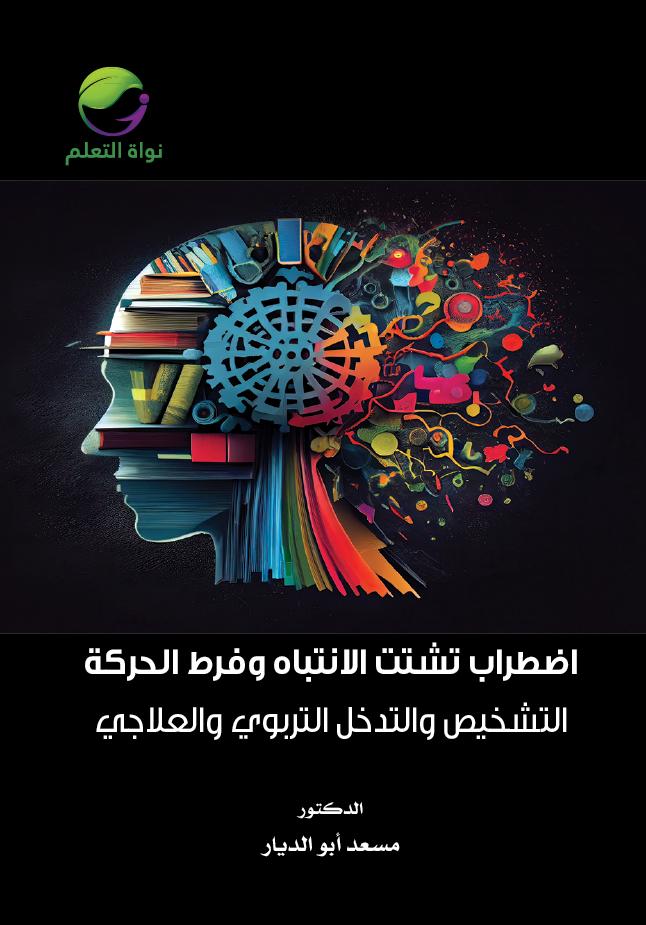
Attention-Deficit/Hyperactivity Disorder (ADHD) in adults

Instructor
About This Course
Participants gain an understanding of the behavioural, cognitive, emotional, social, and occupational characteristics associated with adult ADHD. The course explains how difficulties with attention, organization, time management, and impulse control affect daily functioning, work performance, and interpersonal relationships. It also addresses the emotional consequences commonly experienced by adults with ADHD, including frustration, low self-esteem, stress, anxiety, and mood difficulties resulting from repeated functional challenges.
The course outlines reasons why many adults with ADHD remain undiagnosed, emphasizing the impact of symptom masking, compensatory strategies, and changes in symptom expression over time. It presents the principles of diagnosing ADHD in adults, including the importance of developmental history, functional impairment across settings, clinical interviews, and differential diagnosis.
Participants are introduced to evidence-based approaches to managing ADHD in adulthood. The course covers pharmacological treatment considerations, including the need for careful medical assessment and ongoing monitoring. It also emphasizes the role of psychological interventions, particularly cognitive behavioural therapy, behavioural strategies, environmental modifications, structured routines, and external organizational supports.
The course highlights the value of psychoeducation, group interventions, and long-term follow-up in supporting sustained functional improvement. Overall, the course aims to enhance understanding of adult ADHD and promote effective, individualized management strategies that improve daily functioning, occupational performance, and quality of life.
Prof. Mosaad Abu Eldiyar
Curriculum Overview
This course contains interactive learning materials including video lectures, study PDFs, online practice, and exams.
Attendance Certificate


This Course Includes

Access Restricted
To access this content, you need to enroll in the course first.

Additional links
Login Register Contact Us Instructors About Us Terms and Policies Certificate Validation Nawat Conferences Nawat Learning Get the app Bespoke TrainingPopular Categories
Learning Disabilities Dyslexia Dyscalculia Dysgraphia Developmental Disabilities ADHD Dyspraxia Inclusion Educational & Psychological AssessmentContact
Access Your Courses on the Go
Available on iOS and Android














Save on Your Next Course!
We have exclusive discount codes waiting for you. Explore our courses and enjoy a special price today.
Explore Courses
Reply to Comment